
What You’re Really Paying for When You Hire a Professional Wedding Photographer

When couples start researching wedding photography, one of the first questions that comes up is cost. Prices can vary widely, and it’s easy to assume that the difference is simply about hours or the number of photos delivered.
In reality, wedding photography pricing reflects far more than just showing up with a camera.
This guide breaks down what you’re actually paying for when you hire a professional wedding photographer — and why that investment matters long after the wedding day is over.
Experience You Can’t Replicate
A professional wedding photographer doesn’t just document moments — they anticipate them.
That experience comes from:
Photographing many different wedding timelines
Working in unpredictable lighting situations
Managing tight schedules and high-pressure moments
Knowing how to adapt when plans change
When something unexpected happens (weather shifts, delays, emotional moments), experience is what keeps the day running smoothly while still capturing everything that matters.
Preparation Before the Wedding Day
Much of the work happens before the wedding even begins.
This includes:
Timeline planning and consultation
Venue walkthroughs or research
Lighting and shot preparation
Communication with planners and coordinators
This preparation ensures the day flows naturally and nothing important is missed — especially moments you may not even realize are happening.
Professional Equipment (and Backups)
While camera gear alone doesn’t make a photographer great, professional equipment plays a critical role.
You’re paying for:
Reliable professional-grade cameras
Multiple lenses for different situations
Lighting equipment for indoor and low-light conditions
Backup gear in case of failure
Redundancy is key — professionals don’t risk once-in-a-lifetime moments on a single camera or memory card.
The Editing Process
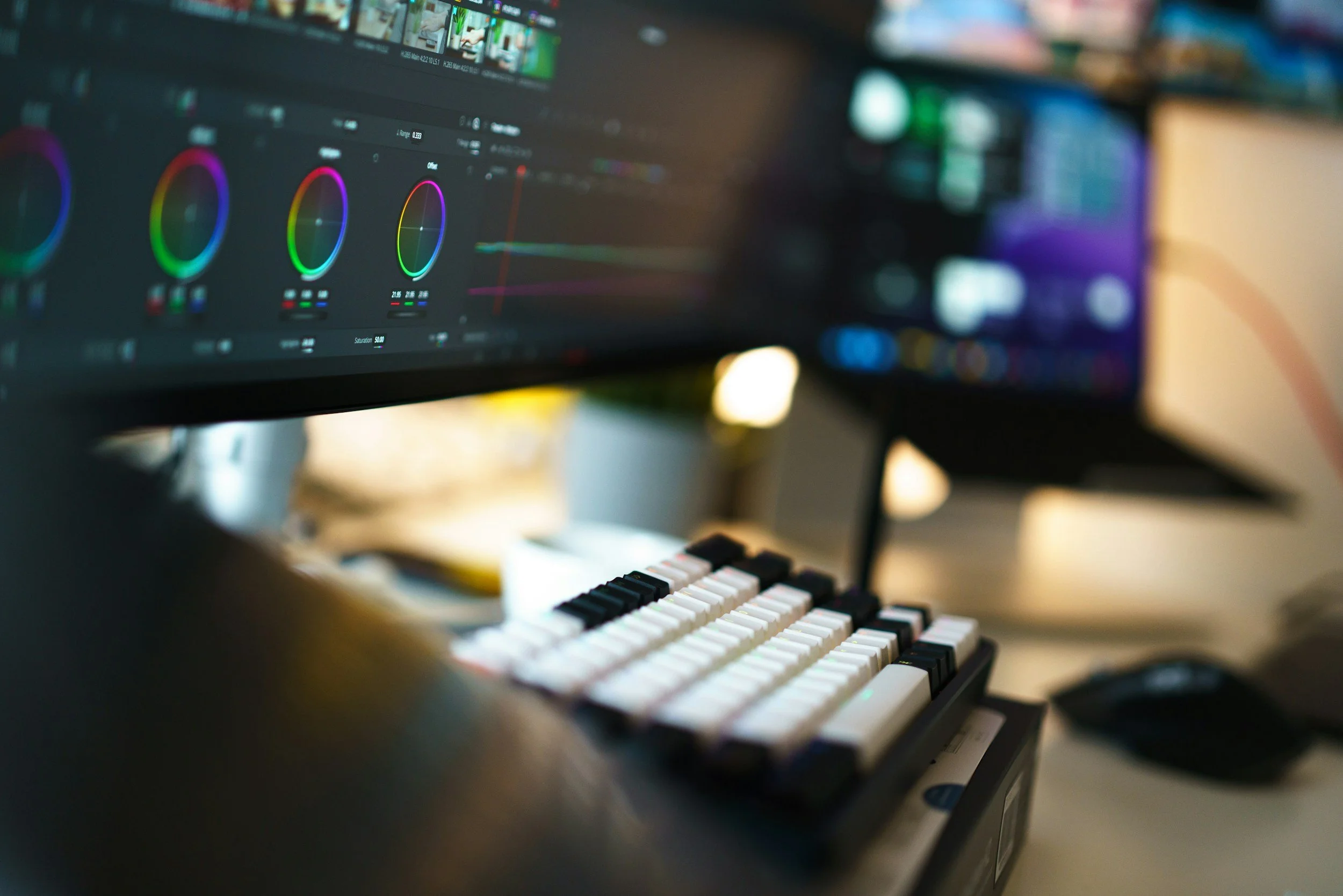
Wedding photography doesn’t end when the last song plays.
After the wedding, hours are spent:
Culling thousands of images
Color correcting and exposure balancing
Retouching selected photos
Ensuring a consistent, timeless look
Editing is where images become polished memories, not just snapshots.
Time Investment Beyond the Event
A wedding may last one day, but the workload extends far beyond it.
For most weddings, the time commitment includes:
Pre-wedding communication
Wedding day coverage
Post-production editing
Gallery preparation and delivery
In many cases, the total time invested can exceed 30–50 hours for a single wedding.
Peace of Mind
Perhaps the most valuable thing you’re paying for is confidence.
Has a proven process
Is prepared for challenges
Can guide you when needed
Will deliver consistent results
This peace of mind allows couples to be present and enjoy their day without worrying about whether moments are being captured properly.
Why Pricing Varies So Much
When comparing photographers, price differences usually reflect:
Level of experience
Quality and consistency of work
Time invested per wedding
Business sustainability and reliability
Lower prices often mean fewer safeguards, less preparation, or limited post-production time.
Questions to Ask Before Hiring a Wedding Photographer
As you compare photographers, asking the right questions can reveal far more than price alone. These questions are designed to help couples understand experience, process, and long-term value.
How many weddings have you photographed?
Experience matters in fast-moving, emotional environments. A photographer who has covered many weddings is better prepared to anticipate moments, adapt to unexpected changes, and keep things on track when timelines shift.
How do you prepare before the wedding day?
Professional photographers invest time before the event—reviewing timelines, learning the venue, planning lighting, and communicating with planners. This preparation is what allows the day to feel calm and organized.
What happens if something goes wrong with equipment?
Reliable photographers always bring backup cameras, lenses, memory cards, and lighting. Redundancy protects once-in-a-lifetime moments and ensures nothing is left to chance.
How would you describe your editing style?
Editing defines the final look of your wedding photos. Understanding whether a photographer prioritizes natural tones, consistency, and timeless color helps ensure your images will age well over time.
How long does it take to receive the final gallery?
Turnaround time reflects both workflow and workload. Clear expectations around delivery help couples plan prints, albums, and announcements without stress.
How do you handle low-light or challenging venues?
From indoor ceremonies to evening receptions, lighting conditions vary greatly. Professional knowledge of lighting and exposure ensures images remain sharp, flattering, and true to the moment.
Final Thoughts
Wedding photography is one of the few investments from your wedding day that continues to grow in value.
Choosing a photographer with experience, preparation, and a clear professional process ensures your memories are preserved with intention and care—long after the celebration ends.
For couples planning weddings in Little Rock, Conway, or Hot Springs and the surrounding Central Arkansas area, working with a photographer who understands both the technical and emotional side of the day can make all the difference.